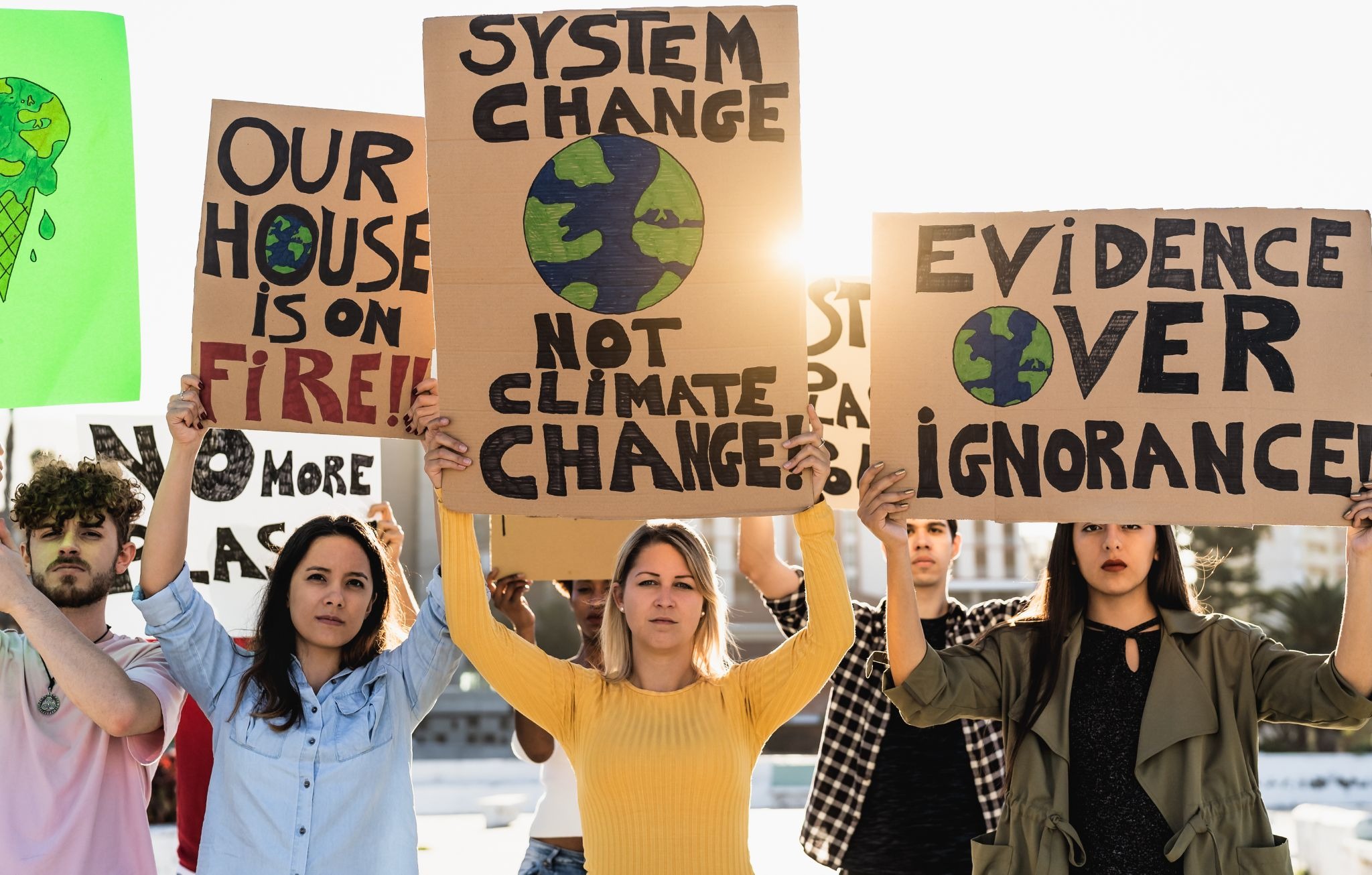
Climate change is one of the most pressing challenges of our time. It refers to long-term shifts in temperature, weather patterns, and climate systems, affecting ecosystems, societies, and economies worldwide. While short-term weather variations are normal, climate change represents a sustained alteration of environmental conditions over decades and centuries. Understanding the causes of climate change is essential for developing effective strategies to mitigate its impacts and adapt to a rapidly warming world.
Global temperatures have risen steadily over the past century, with recent decades showing accelerated warming. The consequences are widespread: melting glaciers, rising sea levels, more frequent and severe storms, shifting ecosystems, and significant threats to food security and public health. By examining both natural and human-induced factors, we can grasp why climate change occurs and identify opportunities to slow its progression.
Understanding Climate Change
Climate change differs from day-to-day weather. Weather is the short-term atmospheric conditions experienced in a region, while climate refers to long-term patterns in temperature, precipitation, and wind. When these long-term patterns shift significantly, the effects are far-reaching.
One of the clearest indicators of climate change is global temperature increase. Over the past century, average surface temperatures have risen significantly, largely concentrated in the last few decades. This warming has disrupted natural systems and created new environmental pressures. Climate change also triggers extreme weather events, such as hurricanes, heatwaves, droughts, and floods, affecting millions of people worldwide.
Beyond temperature, climate change affects sea levels, ice cover, and ecosystems. Rising seas threaten coastal communities, while warming oceans alter marine life distribution. Forests, wetlands, and agricultural zones are shifting as well, impacting biodiversity and food production. Understanding these long-term consequences underscores the urgency of addressing the causes of climate change.
Natural Factors Influencing Climate
Although human activity is the dominant driver of modern climate change, natural factors have historically influenced Earth’s climate over millennia.
Volcanic Activity
Volcanoes release large quantities of gases and particulate matter during eruptions. Sulfur dioxide and ash can block sunlight, temporarily cooling the atmosphere, while carbon dioxide contributes to long-term warming. Volcanic eruptions can also disrupt weather patterns, altering rainfall and wind cycles. While these natural events can influence climate, their effects are typically short-term compared to sustained human-driven warming.
Solar Variations
Changes in solar radiation, such as fluctuations in sunspot activity, have historically impacted the global climate. Periods of lower solar output correlate with cooler phases, like the “Little Ice Age” in Europe. However, scientific evidence shows that recent global warming far exceeds the influence of solar variations, highlighting the dominance of anthropogenic factors in current climate trends.
Natural factors continue to play a role in climate fluctuations, but they cannot fully explain the rapid warming observed over the past century. Human activity is now the primary driver of the changes we see today.
Human-Induced Causes of Climate Change
The most significant contributors to modern climate change are human activities. Industrialization, deforestation, urbanization, and agriculture have accelerated greenhouse gas emissions, altering the atmospheric composition and driving global warming.
Greenhouse Gas Emissions
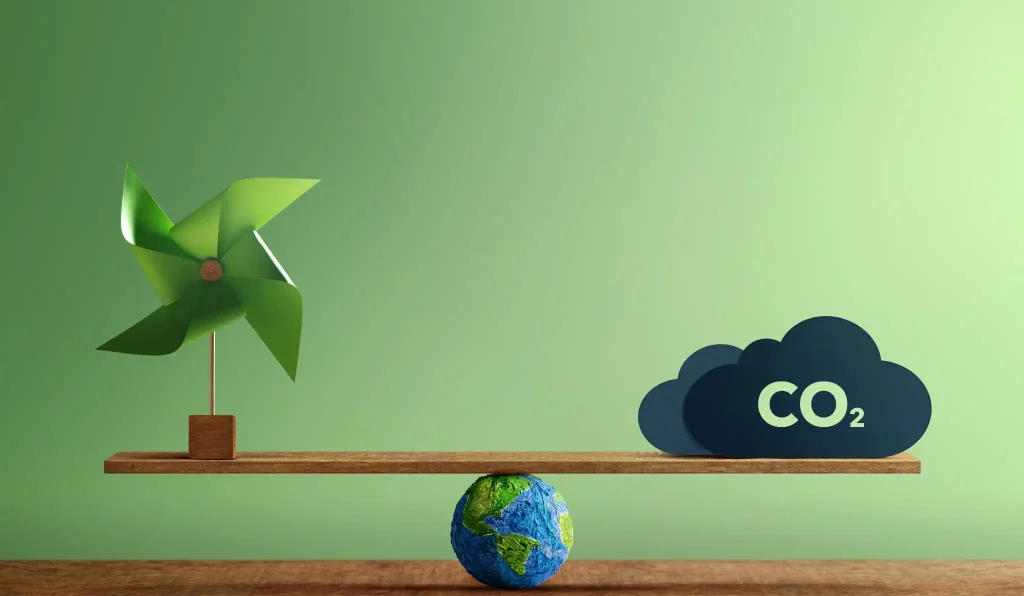
Greenhouse gases trap heat in the Earth’s atmosphere, creating a “greenhouse effect” that warms the planet. Carbon dioxide (CO2) is the most abundant greenhouse gas produced by human activity, mainly through burning fossil fuels like coal, oil, and natural gas. Other gases, such as methane (CH4) and nitrous oxide (N2O), are even more potent in trapping heat and originate from agriculture, livestock, and industrial processes. Fluorinated gases, though less prevalent, have extremely high warming potential and are released from refrigerants and certain manufacturing processes.
These emissions have increased dramatically since the Industrial Revolution, driving the rapid rise in global temperatures. Understanding the sources and impact of greenhouse gases is critical to designing effective mitigation strategies.
Land Use Changes
Human-driven land use changes also contribute to climate change. Deforestation reduces the Earth’s capacity to absorb carbon dioxide, while urbanization increases heat absorption through the “urban heat island” effect. Agricultural expansion, particularly intensive farming practices, releases methane and nitrous oxide into the atmosphere. Changes in land cover also affect surface reflectivity (albedo), influencing how much sunlight is absorbed or reflected, which can amplify warming.
Managing land use responsibly, through reforestation, sustainable agriculture, and urban planning, is essential to reducing climate change impacts.
Feedback Mechanisms That Amplify Climate Change
Climate change is not only driven by direct human activities; it is amplified by feedback mechanisms that intensify warming once it begins.
Melting ice caps, for example, reduce the Earth’s reflectivity, causing more sunlight to be absorbed and further warming the planet. Permafrost thaw releases stored methane, a potent greenhouse gas, accelerating temperature rise. Changes in ocean circulation also play a role, as warmer oceans can store less CO2 and redistribute heat unevenly, affecting regional climates.
These feedback loops demonstrate that climate change is not linear; once initiated, it can accelerate, making early intervention critical. Understanding these mechanisms allows scientists and policymakers to better predict impacts and implement strategies that reduce long-term harm.
Consequences of Climate Change
The consequences of climate change are widespread, affecting ecosystems, human health, and the global economy. Rising temperatures contribute to heatwaves, droughts, and increased evaporation, which strain water resources. Floods and hurricanes have become more frequent and severe, causing damage to infrastructure and displacing communities.
Ecosystems are shifting as species migrate toward cooler areas or higher altitudes. Biodiversity loss accelerates as habitats shrink or disappear. Agricultural production faces risks from unpredictable weather patterns, threatening food security. Human health is also affected, with increased risks of heat stress, respiratory illnesses, and the spread of vector-borne diseases like malaria and dengue.
Economic impacts include damage to infrastructure, decreased labor productivity, and increased costs for disaster recovery. Recognizing these consequences emphasizes the urgency of addressing climate change at local, national, and global levels.
Addressing the Causes of Climate Change
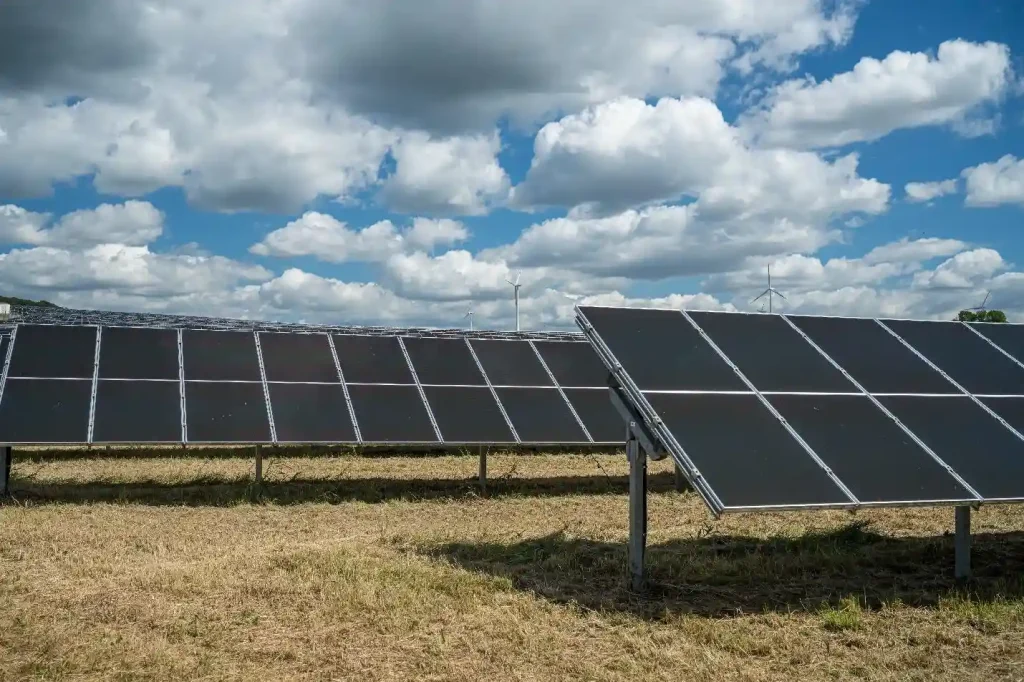
Mitigating climate change requires a combination of policy, technology, and individual action. Reducing greenhouse gas emissions is the cornerstone of any strategy. Transitioning to renewable energy sources such as solar, wind, and hydroelectric power decreases reliance on fossil fuels and lowers carbon output. Energy efficiency in buildings, transportation, and industry also plays a critical role.
Sustainable land use practices, including reforestation, afforestation, and conservation agriculture, help absorb CO2 while preserving ecosystems. Urban planning that incorporates green spaces and energy-efficient infrastructure further reduces emissions.
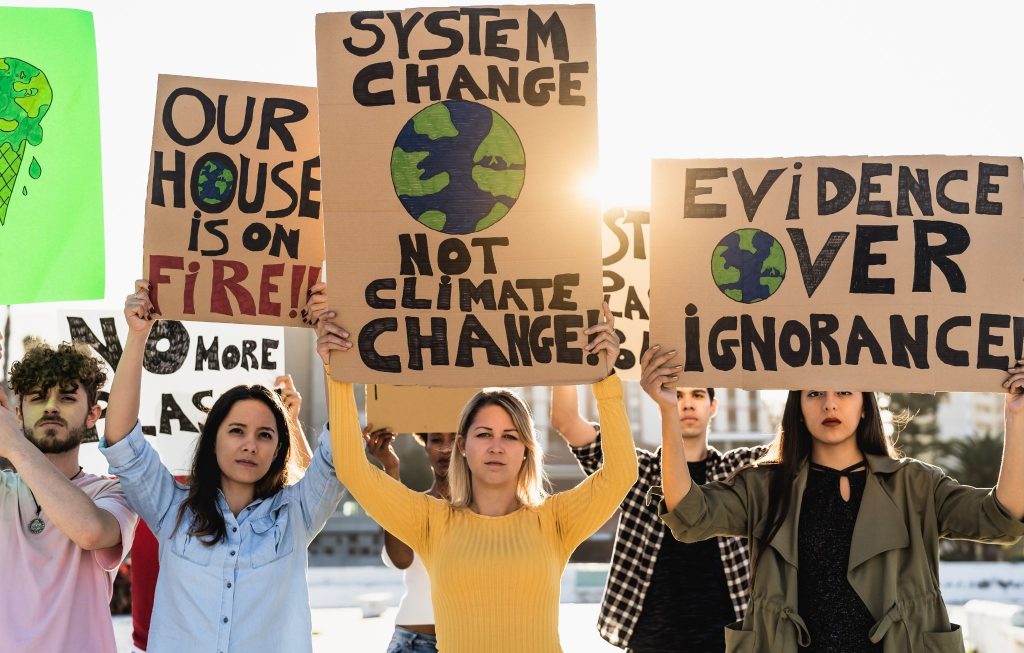
International agreements, such as the Paris Agreement, encourage countries to commit to emissions reductions and adapt to climate impacts. Individual actions, like reducing energy consumption, using public transport, and supporting sustainable products, also contribute meaningfully when adopted collectively.
While the scale of the problem is immense, coordinated action across governments, industries, and communities can slow the pace of climate change and reduce its long-term consequences.
Conclusion
Climate change is a complex, multifaceted issue driven by both natural factors and human activities. While volcanic activity and solar variations have historically influenced climate, the rapid warming observed today is overwhelmingly caused by human-induced greenhouse gas emissions and land use changes. Feedback mechanisms, such as melting ice and permafrost release, further accelerate warming, creating urgent challenges for societies worldwide.
Understanding the causes of climate change is essential to developing effective mitigation strategies. Renewable energy adoption, sustainable land management, energy efficiency, and policy action can collectively slow global warming and protect ecosystems, human health, and economies. By taking informed action at both individual and societal levels, we can address the root causes of climate change and build a more sustainable, resilient future for generations to come.