In today’s rapidly evolving world, the term “green technology” has become increasingly important. As we face the challenges of climate change, resource depletion, and environmental degradation, the significance of green technology cannot be overstated. This blog post will explore what green technology is, its importance, and how it can pave the way for a sustainable future.
Understanding Green Technology
Green technology refers to the development and implementation of products, services, and processes that use renewable resources and reduce environmental impacts. It encompasses a wide array of innovations, from energy-efficient appliances to advanced waste management systems. At its core, green technology aims to create sustainable solutions that meet the needs of the present without compromising the ability of future generations to meet their own needs.
One of the key aspects of green technology is its focus on sustainability. This means that rather than depleting natural resources, green technologies aim to utilize resources in a way that allows them to regenerate. This includes using renewable energy sources such as solar, wind, and hydro power, which can provide clean energy without harming the environment.
The Importance of Green Technology
The importance of green technology can be understood through several key points:
1. Combating Climate Change
One of the most pressing issues of our time is climate change. The burning of fossil fuels for energy is a significant contributor to greenhouse gas emissions, which trap heat in the atmosphere and lead to global warming. Green technology offers solutions to reduce these emissions. For example, solar panels and wind turbines harness renewable energy, significantly lowering carbon footprints. Countries like Denmark and Germany have made significant strides in integrating renewable energy into their grids, demonstrating the potential for large-scale adoption.
2. Enhancing Energy Efficiency
Green technology plays a crucial role in improving energy efficiency. Energy-efficient appliances and building materials can significantly reduce energy consumption. According to the U.S. Department of Energy, energy-efficient technologies can save homeowners and businesses up to 30% on their energy bills. For instance, LED lighting uses up to 75% less energy than traditional incandescent bulbs, providing significant savings while reducing environmental impact.
3. Promoting Sustainable Practices
Green technology encourages sustainable practices across various industries. In agriculture, for example, precision farming techniques utilize sensors and data analytics to optimize resource use, reducing waste and minimizing environmental impact. This approach not only promotes sustainability but also enhances food security by increasing crop yields. Farmers using these technologies have reported up to a 40% reduction in water usage, showcasing the real-life benefits of sustainable agricultural practices.
4. Driving Economic Growth
Investing in green technology can stimulate economic growth. The renewable energy sector has become a significant source of job creation. According to the International Renewable Energy Agency (IRENA), the solar and wind industries alone employed over 11 million people globally in 2018, a number that continues to grow. As more companies shift towards sustainable practices, new job opportunities in green technology will emerge, contributing to economic resilience.
5. Improving Public Health
Green technology also positively impacts public health. By reducing pollution and promoting cleaner air and water, communities benefit from improved health outcomes. For instance, electric vehicles (EVs) produce zero tailpipe emissions, contributing to better air quality in urban areas. Cities like Los Angeles have implemented initiatives to promote EV adoption, resulting in reduced smog levels and respiratory illnesses among residents.
6. Fostering Innovation
The push for green technology fosters innovation across various sectors. Startups and established companies alike are investing in research and development to create sustainable solutions. For example, biodegradable materials are being developed to replace single-use plastics, addressing the growing concerns over plastic pollution. Companies like Biome Bioplastics are leading the way in creating materials that break down naturally, reducing environmental impact.
Real-Life Examples of Green Technology
To further illustrate the importance of green technology, let’s explore some real-life examples:
Solar Energy
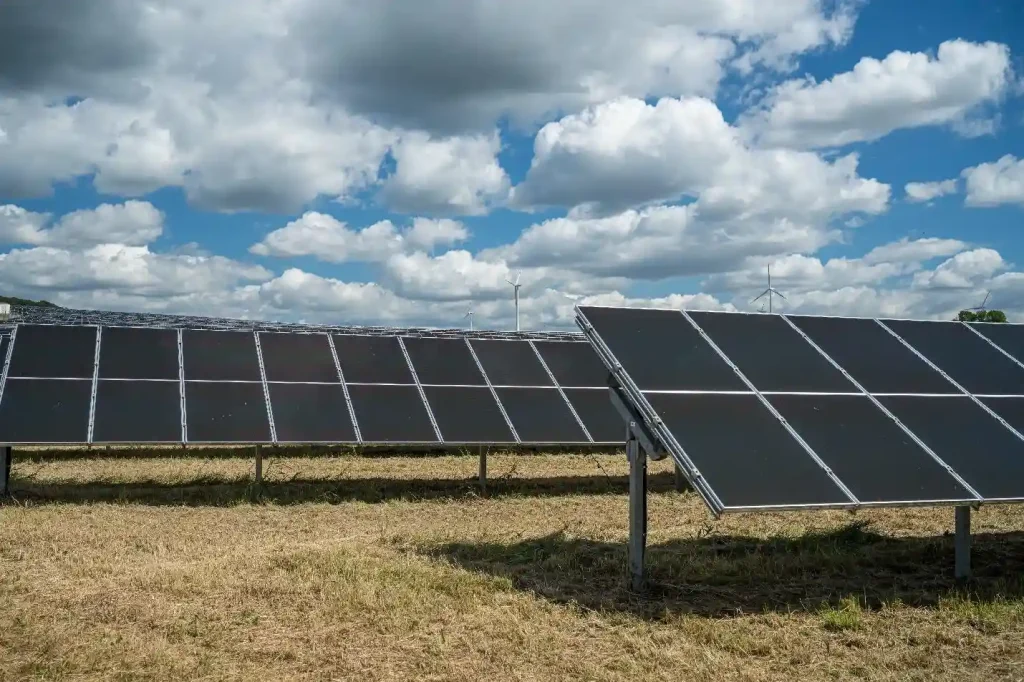
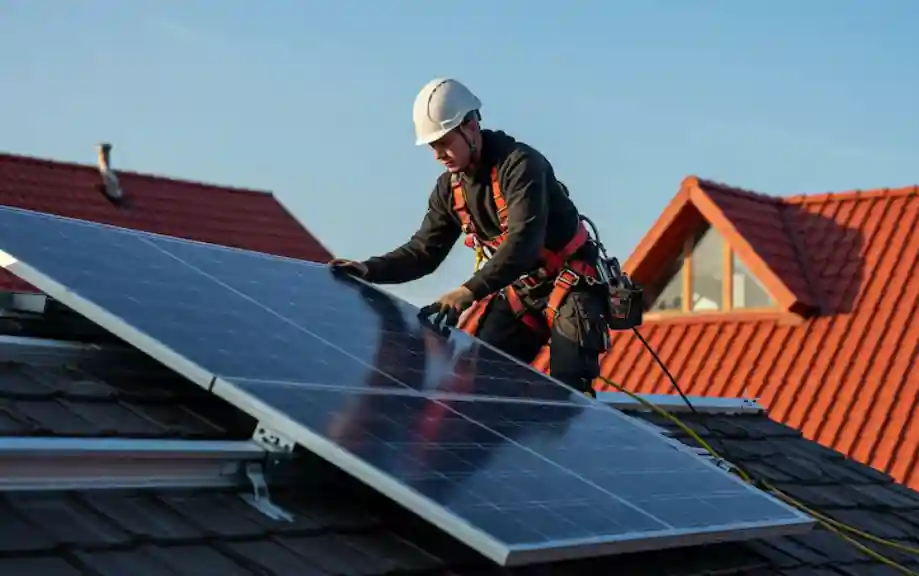
Solar energy is one of the most widely adopted forms of green technology. Residential solar panels allow homeowners to generate their own electricity, reducing reliance on fossil fuels. In California, a state known for its commitment to renewable energy, incentives for solar installations have led to a surge in adoption. By 2020, California had over 1.3 million solar installations, significantly lowering carbon emissions and saving residents on energy costs.
Wind Power
Wind energy has also made a significant impact in the realm of green technology. Wind farms harness the power of the wind to generate electricity without emitting greenhouse gases. The U.S. has seen exponential growth in wind energy, with Texas leading the nation in installed capacity. According to the American Wind Energy Association, wind energy accounted for 20% of Texas’s electricity generation in 2020, showcasing its potential as a sustainable energy source.
Electric Vehicles
Electric vehicles (EVs) represent another vital aspect of green technology. Companies like Tesla have revolutionized the automotive industry by producing high-performance electric cars that appeal to consumers. As battery technology advances, EVs become more accessible and affordable. In 2020, global EV sales reached 3.1 million units, a 43% increase from the previous year, highlighting the growing demand for sustainable transportation options.
Sustainable Construction
Green building practices have gained traction in the construction industry, emphasizing energy efficiency and sustainability. The Leadership in Energy and Environmental Design (LEED) certification program encourages builders to adopt practices that minimize environmental impact. For instance, the Bullitt Center in Seattle, often referred to as the greenest commercial building in the world, utilizes solar panels, rainwater harvesting, and energy-efficient systems to achieve net-zero energy consumption.
Expert Insights on Green Technology
Experts in the field of sustainability highlight the critical role of green technology in shaping our future. Dr. Jane Goodall, a renowned primatologist and environmental activist, emphasizes the need for innovative solutions to combat climate change. “We need to shift our focus to renewable energy and sustainable practices to ensure a livable planet for future generations,” she states.
Additionally, Bill McKibben, an environmentalist and author, argues that the transition to green technology is not only necessary but also achievable. “We have all the tools we need to create a sustainable future. It’s a matter of political will and public support,” he notes, urging individuals and governments to invest in clean technologies.
Research-Backed Data
Research backs the effectiveness of green technology in addressing environmental challenges. A study published in the journal Nature Communications found that transitioning to renewable energy sources could reduce global carbon emissions by up to 70% by 2050. Furthermore, the International Energy Agency (IEA) reports that energy efficiency measures could help reduce global energy demand by 30% by the same year, demonstrating the potential for significant impact.
Conclusion
In conclusion, the importance of green technology cannot be overstated. As we navigate the challenges of climate change, resource depletion, and environmental degradation, embracing sustainable practices and innovations is crucial. From renewable energy sources to energy-efficient technologies, green technology offers solutions that benefit both the planet and its inhabitants. By investing in and adopting these technologies, we can create a sustainable future for generations to come.
FAQs
What are some examples of green technology?
Examples include solar panels, wind turbines, electric vehicles, and energy-efficient appliances.
How does green technology benefit the economy?
Green technology creates jobs, stimulates economic growth, and reduces energy costs for businesses and consumers.
Why is green technology important for public health?
It reduces pollution and promotes cleaner air and water, leading to improved health outcomes for communities.