Installing a solar energy system at home is one of the most impactful ways to reduce electricity costs and lower your environmental footprint. Solar power offers energy independence while contributing to a more sustainable future. Advances in technology have made home solar systems more accessible and efficient, whether you live in a city, suburb, or rural area. Understanding the types of systems, assessing your home’s potential, and following proper installation steps are essential for success. This guide provides practical insights, challenges to anticipate, and strategies for long-term solar efficiency.
Understanding Solar Energy Systems
Before installation, it is important to understand the different solar energy systems available. The three main types are grid-tied, off-grid, and hybrid systems. A grid-tied system is connected to the local utility grid and allows excess electricity to be sold back. This type is cost-effective and ideal for areas with reliable electricity. An off-grid system operates independently of the utility grid and requires battery storage for energy when sunlight is unavailable. A hybrid system combines both approaches, providing flexibility and energy backup during outages.
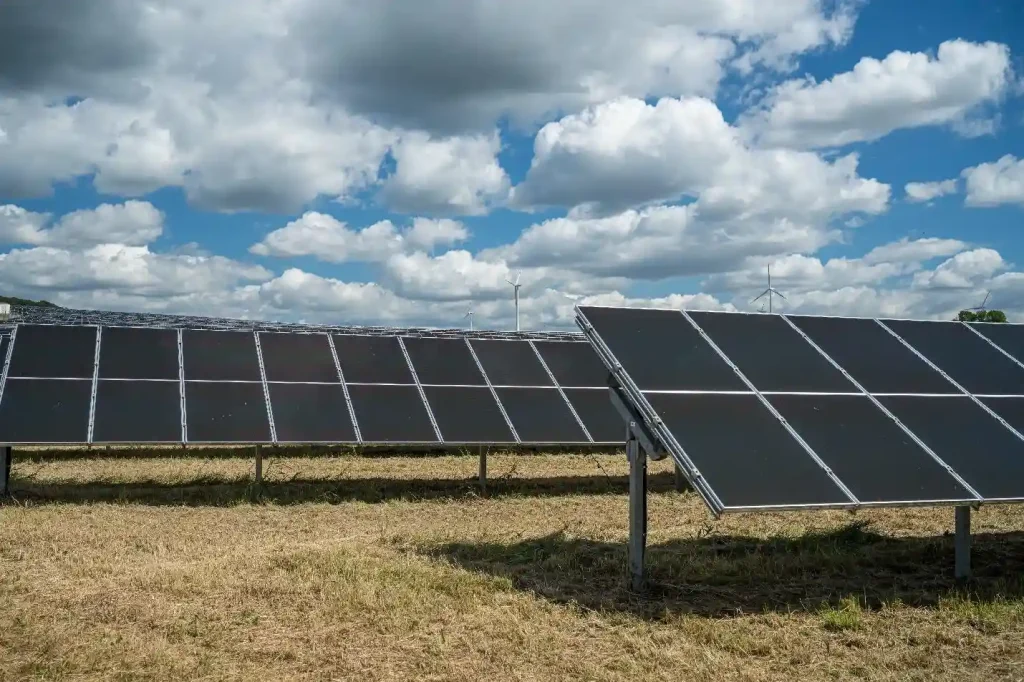
Key components of a solar system include solar panels, inverters, mounting systems, and optional batteries. The solar panels convert sunlight into electricity, while the inverter converts this power into a usable form for your home. The mounting system secures panels to your roof or ground, ensuring stability and optimal sunlight exposure. Batteries store energy for off-peak use or emergencies, adding resilience to your system.
Solar Panel Options
Choosing the right type of panel affects efficiency, cost, and installation requirements. Monocrystalline panels offer the highest efficiency and space-saving design but are more expensive. Polycrystalline panels are less efficient but more affordable and suitable for larger roof areas. Thin-film panels are flexible and lightweight, but generally less efficient and suitable for unique architectural designs. Selecting panels involves balancing cost, available roof space, and energy needs.
Assessing Your Home’s Solar Potential
Not every home is equally suited for solar energy. Start by evaluating roof orientation, sunlight exposure, shading, and roof condition. South-facing roofs typically receive the most sunlight, while trees, nearby buildings, or roof angles can reduce efficiency. Roofs should be structurally sound to support panels and mounting systems.
Calculating energy needs helps determine system size. Review your electricity bills to understand peak usage and seasonal fluctuations. Combining this data with solar efficiency ratings allows for an accurate system specification. Local incentives, tax rebates, and permitting requirements also influence feasibility and cost. Many municipalities provide clear guidelines on permit applications, inspection schedules, and connection to the utility grid.
Conducting a Solar Feasibility Study
A solar feasibility study can be done independently or with professional help. Online tools and satellite mapping services estimate sunlight availability and panel positioning. Professionals may perform detailed energy audits and shading analysis. The study helps identify optimal panel placement, system size, and estimated energy output. Investing time in this assessment ensures that your installation meets energy goals and financial expectations.
Steps for Solar Energy Installation
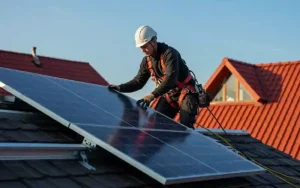
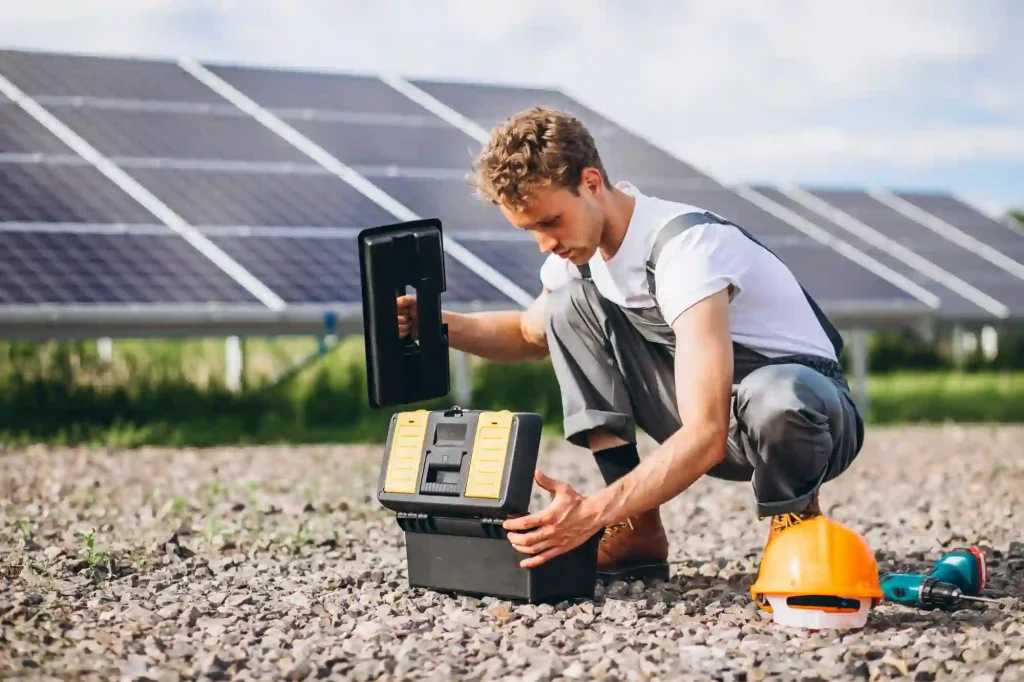
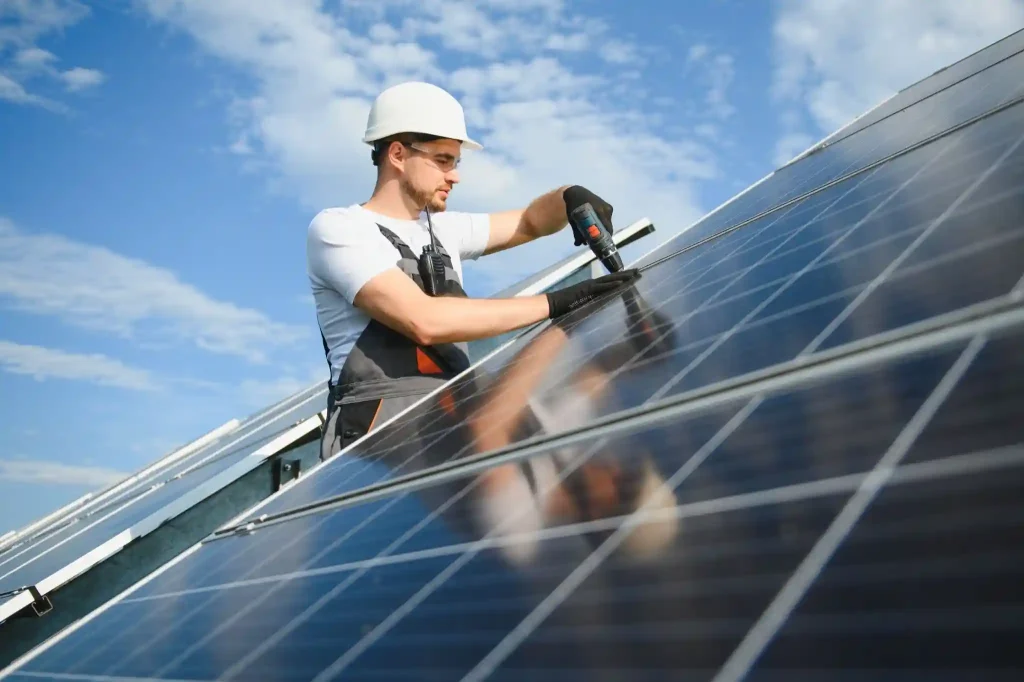
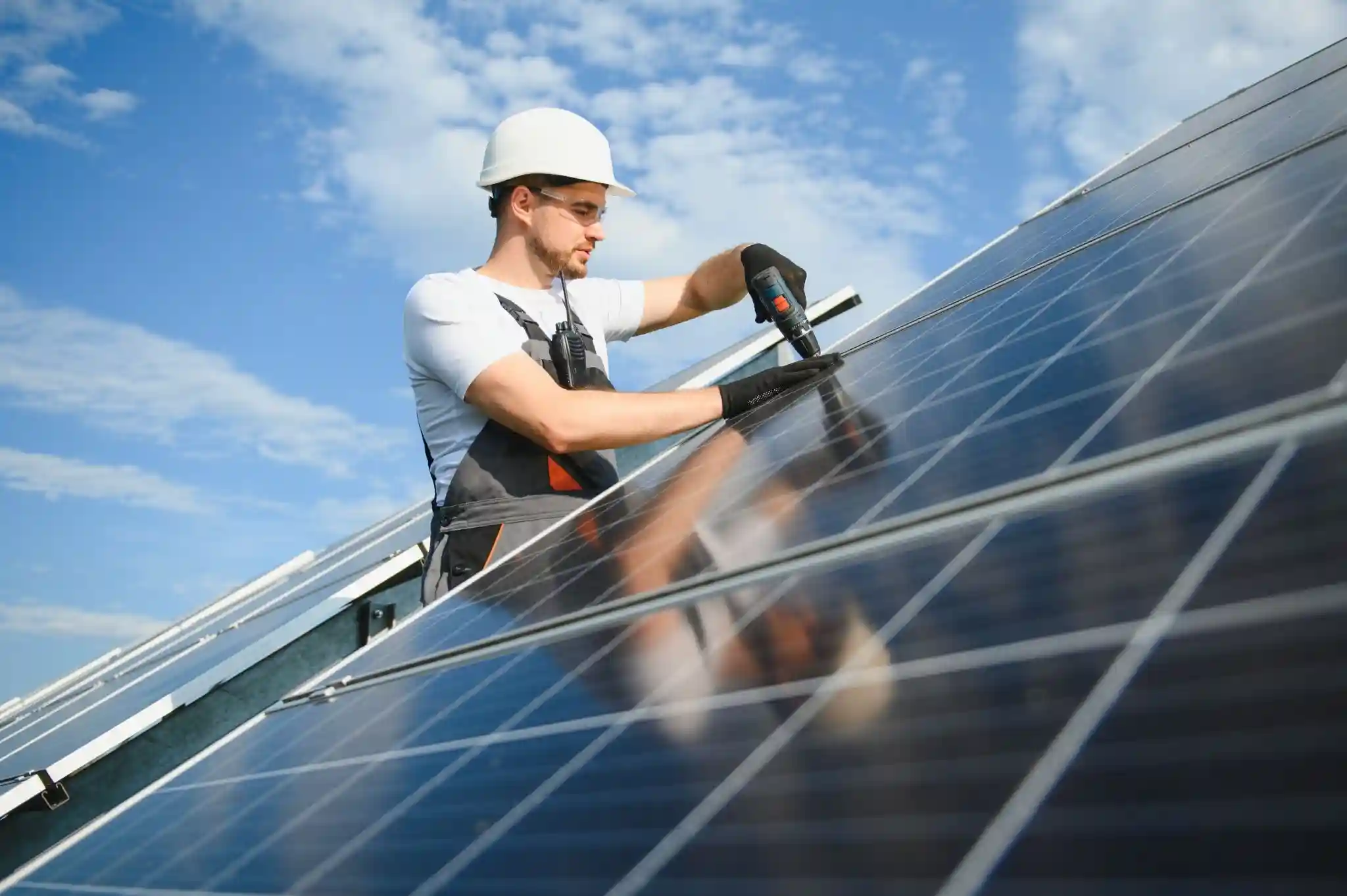
The installation process begins with careful planning. Start by designing your system layout and obtaining necessary permits. Proper permits ensure legal compliance and connection to the local utility grid. Homeowners must decide between professional installation and DIY approaches. While DIY can save costs, professional installers provide experience, safety compliance, and warranty coverage.
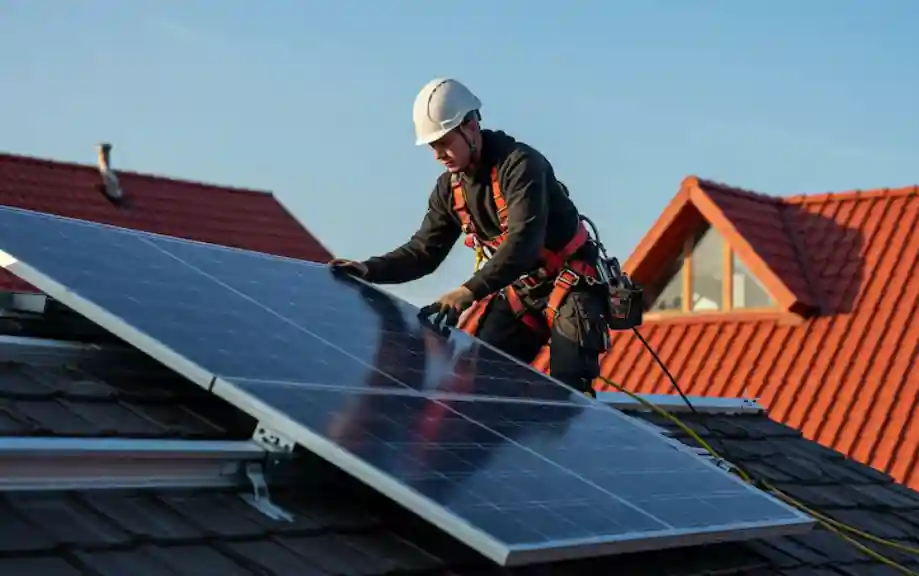
Preparing the roof involves cleaning, inspecting for damage, and reinforcing structures if needed. Mounting systems are installed next, ensuring panels are angled for maximum sunlight capture. Proper alignment is critical to avoid shading and efficiency loss.
Connecting Panels and Inverters
Panels are wired to the inverter, which converts direct current (DC) electricity into alternating current (AC) for household use. Electrical connections must meet safety standards and local building codes. Proper grounding and surge protection are essential for safety. A qualified electrician is recommended to verify all connections and ensure compliance.
Battery Storage and Energy Management
Battery storage is optional but increasingly popular for off-grid use or backup power. Batteries store excess energy generated during the day for evening or emergency use. Monitoring energy usage and storage capacity allows homeowners to optimize efficiency and reduce dependence on the grid. Smart energy management systems can track performance in real time, enabling data-driven decisions to improve system output.
Maintenance and Long-Term Considerations
Solar systems require minimal but regular maintenance. Panels should be cleaned periodically to remove dust, leaves, or debris. Inspections of inverters, wiring, and battery health ensure consistent performance. Most panels are durable, with a lifespan of 25–30 years, but efficiency gradually declines over time.
Planning for long-term system upgrades and replacement of components like inverters or batteries maintains system efficiency. Keeping records of maintenance and monitoring performance data helps identify potential issues before they affect output. With proper care, solar installations can provide decades of reliable energy and significant cost savings.
Benefits of a Solar Energy System at Home
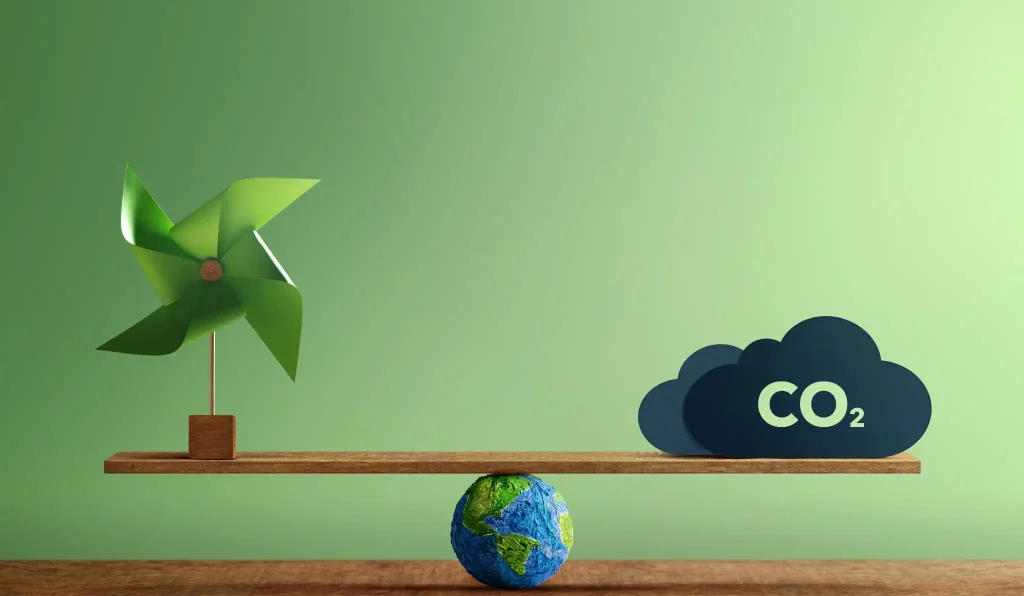
Home solar systems offer multiple benefits. First, they reduce electricity bills by generating your own power and, in grid-tied systems, selling excess energy back to the utility. Second, they contribute to environmental protection by reducing carbon emissions and reliance on fossil fuels. Third, solar systems increase property value, as prospective buyers often prioritize energy-efficient homes.
Long-term incentives, such as tax credits, net metering, and renewable energy rebates, make solar energy financially appealing. Beyond financial benefits, homeowners gain resilience against rising energy costs and power outages, improving energy security and independence.
Conclusion
Installing a solar energy system at home is a strategic step toward sustainability and energy independence. Understanding system types, evaluating home suitability, planning the installation, and maintaining equipment are essential for success. Solar energy reduces costs, protects the environment, and enhances property value. By taking a proactive approach and combining professional expertise with careful planning, homeowners can ensure a smooth installation process and long-term benefits. Solar energy is not just an investment in your home, it is an investment in a more sustainable future.