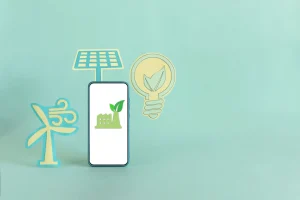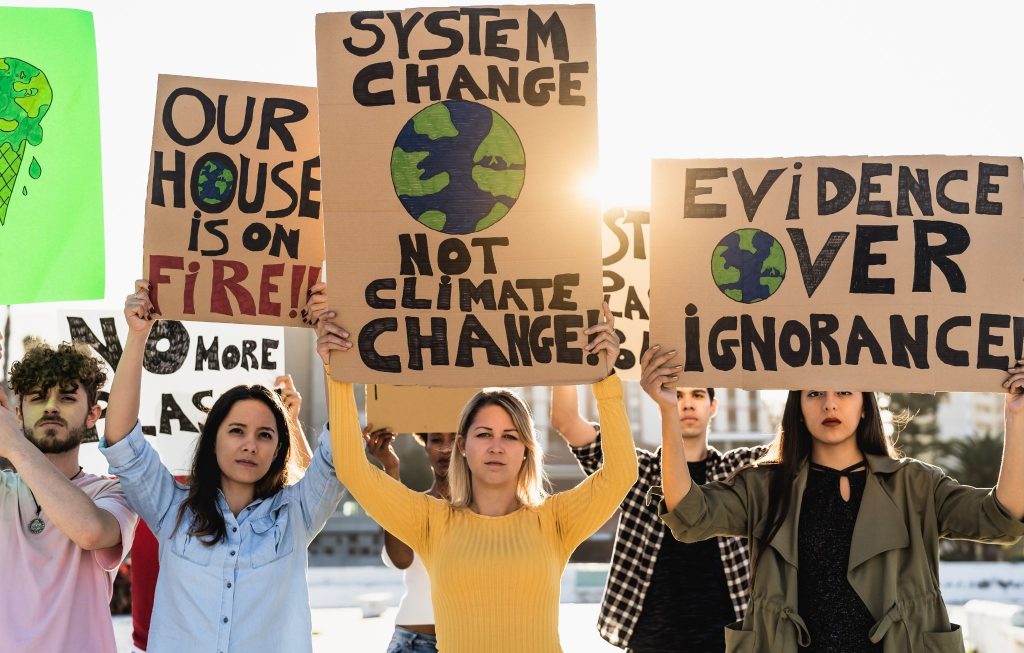

Carbon emissions pose a significant threat to our planet, contributing to climate change and environmental degradation. These emissions, primarily composed of carbon dioxide (CO2), are released through various human activities, particularly the burning of fossil fuels. As the global community grapples with the urgent need to mitigate climate change, green technology emerges as a crucial solution for carbon emission reduction. By leveraging innovative and sustainable practices, green technology offers a pathway to a cleaner and healthier planet for future generations.
Understanding Carbon Emissions
Carbon emissions refer to the release of carbon dioxide into the atmosphere, primarily from the combustion of fossil fuels. Major sources include transportation, electricity production, industrial processes, and agriculture. Each year, billions of tons of CO2 are emitted, significantly impacting our climate. The rise in carbon emissions has resulted in more extreme weather patterns, rising sea levels, and various environmental issues threatening biodiversity and human life.
To put this in perspective, the United Nations Framework Convention on Climate Change (UNFCCC) reports that global carbon dioxide emissions reached approximately 36.44 billion metric tons in 2019. This alarming figure underscores the need for effective strategies to curb emissions and transition towards a sustainable future. Understanding the sources and implications of carbon emissions is vital in recognizing the importance of green technology in addressing this pressing issue.
The Role of Green Technology in Carbon Emission Reduction
Green technology encompasses a range of innovations designed to reduce environmental impact and promote sustainability. These technologies aim to lower carbon emissions while enhancing efficiency and productivity. By aligning with sustainable development goals, green technology not only addresses climate change but also promotes a healthier environment for present and future generations.
Green technology can be categorized into various sectors, including renewable energy, energy efficiency, sustainable transportation, and waste management. Each of these sectors plays a pivotal role in reducing carbon emissions and fostering a sustainable economy.
Renewable Energy Sources
Among the most effective ways to achieve carbon emission reduction is through renewable energy sources. These sustainable alternatives replace fossil fuels with cleaner options, significantly lowering greenhouse gas emissions.
Solar Energy
Solar energy is one of the most accessible and widely adopted renewable energy sources. By converting sunlight into electricity, solar panels provide a clean energy solution that drastically reduces carbon emissions. The technology behind solar energy has advanced significantly over the years, leading to increased efficiency and lower costs.
In countries like Germany and Australia, widespread adoption of solar energy has led to a noticeable decrease in fossil fuel reliance. For instance, a report from the International Energy Agency (IEA) indicated that solar energy could account for up to 20% of global energy needs by 2040, making it a key player in reducing carbon footprints. The deployment of solar energy systems not only benefits the environment but also contributes to local economies by creating jobs in manufacturing, installation, and maintenance.
Moreover, the integration of solar energy into residential and commercial buildings has become increasingly popular. Many homeowners and businesses are opting for solar panels to generate their own electricity, which reduces their dependence on traditional energy sources and results in significant cost savings.
Wind Energy
Wind energy is another powerful tool in the fight against carbon emissions. Wind turbines convert kinetic energy from the wind into electricity, offering a clean alternative to fossil fuels. The technology has matured significantly, with larger and more efficient turbines contributing to higher energy output.
Countries like Denmark and Spain have made significant investments in wind energy infrastructure, resulting in substantial reductions in carbon emissions. According to the Global Wind Energy Council, wind power capacity has grown by 10% annually in recent years, showcasing its potential for widespread adoption. In Denmark, wind energy accounted for over 47% of the country’s electricity consumption in 2019, demonstrating the effectiveness of this renewable energy source.
The growth of offshore wind farms has also opened new opportunities for carbon emission reduction. These large-scale projects harness powerful ocean winds to generate electricity, further contributing to a cleaner energy grid.
Energy Efficiency Innovations
Improving energy efficiency is crucial for reducing carbon emissions. Innovations in technology allow us to use less energy while maintaining the same level of productivity and comfort. This not only decreases emissions but also results in significant cost savings for consumers and businesses.
Smart Grids
Smart grid technology revolutionizes energy distribution and consumption. By utilizing digital technology, smart grids optimize energy use and reduce waste. These systems allow for better demand management and can integrate renewable sources of energy more effectively. The implementation of smart grids can lead to a reduction of carbon emissions by up to 25%, as demonstrated in cities like San Diego, where energy efficiency has dramatically improved.
Smart grids enable two-way communication between energy providers and consumers, allowing for real-time data analysis and energy management. This technology empowers consumers to monitor their energy usage and adjust their consumption patterns, leading to more informed decisions about energy use.
Furthermore, smart grids can facilitate the integration of electric vehicles (EVs) into the energy system. By enabling vehicle-to-grid technology, EVs can not only draw energy from the grid but also supply energy back during peak demand periods, further optimizing energy usage and reducing emissions.
Energy-Efficient Appliances
Energy-efficient appliances are vital for reducing carbon emissions in homes and businesses. These devices use advanced technology to consume less energy while performing the same tasks. For example, energy-efficient refrigerators and washing machines can save households hundreds of dollars in energy costs while significantly lowering greenhouse gas emissions.
According to the U.S. Department of Energy, upgrading to energy-efficient appliances can decrease household emissions by 30% over time. The ENERGY STAR program, which certifies products meeting strict energy efficiency guidelines, has helped consumers identify and choose appliances that reduce energy consumption. This program has contributed to significant energy savings and carbon emission reductions across the United States.
Moreover, the adoption of energy-efficient practices in commercial buildings is essential for reducing emissions on a larger scale. Implementing energy management systems and retrofitting existing buildings with energy-efficient technologies can significantly lower energy consumption and carbon footprints.
Sustainable Transportation Solutions
Transportation is a major source of carbon emissions, making it essential to develop sustainable alternatives that reduce reliance on fossil fuels.
Electric Vehicles
Electric vehicles (EVs) represent a significant advancement in reducing carbon emissions from transportation. Unlike traditional gasoline-powered vehicles, EVs produce zero tailpipe emissions, making them an environmentally friendly option. The rise of companies like Tesla has popularized electric vehicles, and as battery technology improves, EVs are becoming more affordable and accessible.
According to the IEA, electric vehicle sales reached 2.1 million units globally in 2019, signaling a shift toward cleaner transportation. Governments worldwide are implementing incentives and subsidies to encourage EV adoption, further accelerating this trend. For instance, countries like Norway and the Netherlands have set ambitious targets for EV sales, aiming to phase out internal combustion engine vehicles within the next few decades.
Moreover, the increasing availability of charging infrastructure is addressing one of the primary concerns associated with EVs—range anxiety. As more charging stations are installed in urban and rural areas, consumers are more likely to consider switching to electric vehicles.
Public Transport Innovations
Enhancing public transport systems is another effective strategy for reducing carbon emissions. By providing efficient, reliable, and accessible public transport, cities can encourage people to use these systems instead of driving personal vehicles. This shift can significantly reduce traffic congestion and lower greenhouse gas emissions.
Cities like Amsterdam and Tokyo have invested heavily in advanced public transport networks, resulting in decreased traffic congestion and lower emissions. In Amsterdam, the integration of cycling infrastructure with public transport options has created a seamless travel experience for residents, promoting sustainable modes of transportation.
Furthermore, innovations in public transport technologies, such as electric and hydrogen-powered buses, are contributing to further emission reductions. These vehicles produce zero emissions, offering a cleaner alternative to traditional diesel buses. Cities that adopt these technologies can significantly reduce their carbon footprints while improving air quality for residents.
Waste Management and Carbon Emission Reduction
Effective waste management plays a crucial role in carbon emission reduction. When waste is not properly managed, it contributes to greenhouse gas emissions through decomposition in landfills. Landfills are significant sources of methane, a potent greenhouse gas that can be up to 25 times more effective at trapping heat in the atmosphere than carbon dioxide.
Innovations in recycling and composting technologies have emerged as solutions to this problem. For instance, composting organic waste not only diverts it from landfills but also reduces methane emissions. Cities that implement comprehensive waste management strategies, such as San Francisco, have achieved impressive results, diverting over 80% of waste from landfills and significantly reducing carbon emissions.
Advanced recycling technologies, like chemical recycling, are also being developed to process materials that traditional recycling methods cannot handle. These innovations allow for the recovery of valuable resources from waste, further reducing the need for new raw materials and the associated carbon emissions from extraction and processing.
The Future of Green Technology and Its Impact
The future of green technology looks promising, with continuous advancements on the horizon. Innovations in carbon capture and storage (CCS) and hydrogen fuel cells are just a few examples of emerging technologies that promise further reductions in carbon emissions. CCS technology captures carbon dioxide emissions from sources like power plants and stores it underground, preventing it from entering the atmosphere.
Hydrogen fuel cells, which generate electricity through a chemical reaction between hydrogen and oxygen, offer another clean energy alternative. When produced using renewable energy sources, hydrogen can serve as a zero-emission fuel for transportation and electricity generation.
As governments and businesses increasingly recognize the importance of sustainability, investment in green technology is expected to grow. This evolution presents a unique opportunity to create a more sustainable world. By embracing these technologies, we can address climate change and protect our planet for future generations.
Conclusion
In summary, green technology is essential for achieving carbon emission reduction. By embracing renewable energy sources, enhancing energy efficiency, and promoting sustainable transportation, we can significantly lower our carbon footprints. The importance of adopting green technologies cannot be overstated; they are key to building a sustainable future for our planet. Individuals, businesses, and governments must work together to ensure that these technologies flourish, ultimately paving the way for a cleaner and healthier world.