Sustainable living is no longer just a trend; it is a necessity. With rising energy costs, climate change, and environmental degradation, households can play a vital role in reducing their ecological footprint. Adopting sustainable living practices at home improves not only the environment but also personal finances and well-being. Small changes in daily routines—when compounded over time—can have a meaningful impact. From energy efficiency to responsible consumption, this guide provides actionable strategies for turning your home into a more sustainable and resilient space.
Energy Efficiency and Resource Conservation
Energy consumption is a major factor in household sustainability. Reducing energy usage lowers both utility bills and environmental impact. One of the simplest ways to save energy is to upgrade to energy-efficient appliances. Modern refrigerators, washing machines, and HVAC systems consume significantly less electricity than older models. LED lighting is another practical change that cuts energy use while lasting far longer than traditional bulbs.
Water conservation is equally important. Installing low-flow faucets, showerheads, and dual-flush toilets reduces water waste without compromising daily comfort. Fixing leaks promptly prevents gallons of water from being lost, saving both money and resources. For those looking to go a step further, rainwater harvesting systems can capture precipitation for gardening or household use, reducing dependence on municipal water supplies.
Renewable Energy Options
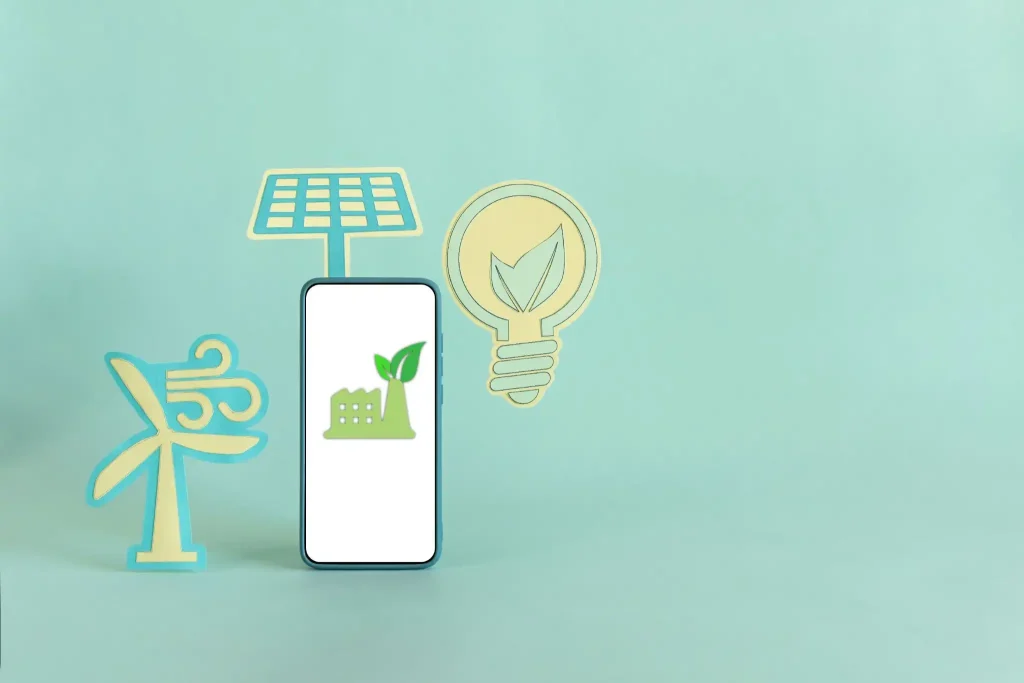
Renewable energy is becoming increasingly accessible for homeowners. Solar panels provide a clean, long-term energy source that can dramatically reduce electricity bills and reliance on fossil fuels. Small wind turbines, where permitted, offer another option for sustainable electricity generation. Some energy providers now offer “green energy” programs, allowing households to support renewable energy initiatives even without installing equipment. Investing in these technologies may involve upfront costs, but long-term savings and environmental benefits make them worthwhile.
Waste Reduction and Recycling Practices
Reducing waste is a cornerstone of sustainable living. Start by segregating waste into recyclables, compostables, and landfill items. Composting organic matter such as fruit and vegetable scraps provides nutrient-rich soil for gardens and reduces methane emissions from landfills. Recycling paper, plastic, metals, and glass ensures materials are reused instead of being discarded.
Minimizing single-use items, such as disposable cutlery, straws, and packaging, further reduces environmental impact. Simple swaps, like reusable bags, containers, and bottles, make a tangible difference over time. Digital alternatives, such as online billing and e-books, help reduce paper consumption. Together, these strategies create a household that produces less waste and actively participates in a circular economy.
Composting for Beginners
Starting a compost system at home doesn’t require much space. Outdoor bins, kitchen compost containers, or worm composting setups allow organic matter to decompose naturally. Maintaining the right balance of greens and browns, along with regular aeration, produces high-quality compost. This practice supports home gardens, improves soil health, and significantly reduces landfill contributions, creating a win-win for households and the planet.
Sustainable Food and Household Choices
Food choices have a surprisingly large impact on sustainability. Prioritizing locally sourced, seasonal produce reduces transportation emissions and supports regional agriculture. Reducing meat consumption or incorporating plant-based alternatives lowers greenhouse gas emissions and conserves water. Even small adjustments, like “Meatless Mondays,” can contribute to a more sustainable lifestyle.
Household products also matter. Eco-friendly cleaning supplies minimize chemical exposure and water pollution. Opt for biodegradable detergents, non-toxic cleaners, and refillable or concentrated products. Choosing items with minimal packaging reduces waste, while multipurpose products cut down on unnecessary consumption. The combination of sustainable food choices and responsible household products significantly reduces a home’s environmental footprint.
Green Habits and Lifestyle Adjustments
Sustainability extends beyond products—it is a mindset. Minimalism and mindful consumption encourage families to buy only what they need, avoiding unnecessary clutter. Energy and water awareness in daily routines, such as turning off lights and unplugging electronics, compounds savings over time. DIY projects and upcycling furniture or clothing extend product life, reduce waste, and add a personal touch to home décor.
Family and Community Involvement
Involving family members is crucial for lasting, sustainable habits. Educate children on recycling, energy conservation, and the importance of reducing waste. Small household routines, like shared composting duties, instill responsibility and create awareness. Beyond the home, participating in community initiatives—tree planting, local cleanups, or educational workshops—amplifies impact. Collective action strengthens local sustainability efforts and fosters a culture of environmental responsibility.
Long-Term Strategies for a Sustainable Home
For deeper impact, plan for long-term strategies. Smart home technologies, such as energy monitors and automated thermostats, optimize resource use and provide data to track improvements. Sustainable renovations, including insulation upgrades, energy-efficient windows, and eco-friendly building materials, further reduce energy demands.
Set measurable sustainability goals to monitor progress over months and years. For instance, track monthly energy and water usage, waste reduction, or compost output. Gradual improvements compound into significant benefits, ensuring that sustainable living is not just a short-term effort but a permanent lifestyle change.
Conclusion
Adopting sustainable living practices at home is achievable and rewarding. From energy efficiency to waste reduction, mindful consumption, and long-term planning, each step contributes to a healthier planet and a more cost-effective household. Small daily changes, combined with technology and community involvement, create a sustainable lifestyle that is both practical and impactful. By making conscious choices, you can reduce your environmental footprint, improve family well-being, and inspire others to adopt eco-friendly habits. Sustainability at home is not just about personal gain—it is a collective effort that benefits society and the environment.
FAQs
1. What are simple sustainable living practices I can start immediately?
Start by using energy-efficient bulbs, reducing water waste, recycling, minimizing single-use items, and supporting local, seasonal produce. Small changes compound into significant long-term benefits.
2. How can I make my home more energy-efficient without major renovations?
Upgrade to LED lighting, seal windows and doors, use smart thermostats, unplug unused electronics, and adopt habits like shorter showers and turning off lights when not needed.
3. Is composting suitable for small apartments?
Yes. Indoor compost bins, worm composting, or balcony compost systems are ideal for limited space. Composting reduces waste and provides nutrient-rich material for plants.
4. How do sustainable food choices affect the environment?
Choosing local, seasonal produce and reducing meat consumption lowers greenhouse gas emissions, conserves water, and reduces transportation-related pollution, contributing to more sustainable living.
5. What role does community involvement play in sustainable living?
Participating in local cleanups, tree planting, and awareness campaigns amplifies impact, strengthens environmental culture, and encourages collective action toward sustainability.