Every homeowner wants a comfortable home with lower energy bills. However, many homes waste energy without the owners realizing it. Poor insulation, air leaks, and outdated heating or cooling systems can all increase energy use. A home energy assessment helps identify these hidden problems and provides practical solutions to improve energy efficiency. By understanding where energy is being lost, homeowners can make smart improvements that reduce costs and create a more comfortable living space.
What Is a Home Energy Assessment?
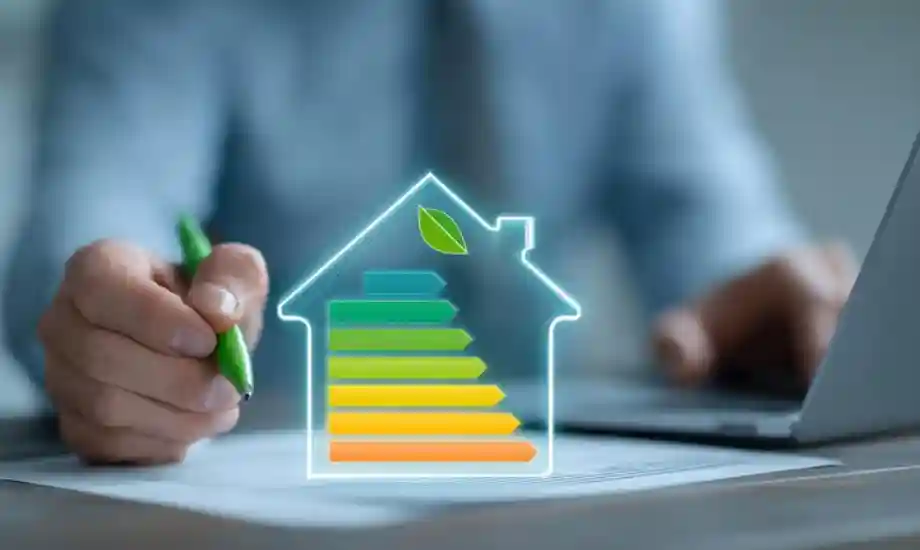
A home energy assessment is a professional evaluation of how efficiently a home uses energy. During the assessment, an expert carefully checks different parts of the home, including insulation, windows, doors, heating and cooling systems, lighting, and appliances. The goal is to find areas where energy is being wasted and recommend ways to improve efficiency.
The results of the assessment help homeowners make informed decisions about upgrades that can save money and improve overall home performance.
Identifying Areas of Energy Loss
One of the biggest advantages of a home energy assessment is that it identifies places where energy escapes. Small gaps around doors and windows, poor attic insulation, and leaking air ducts can allow heated or cooled air to escape, making heating and cooling systems work harder.
By locating these problem areas, homeowners can fix them with proper sealing, insulation, or repairs. These improvements reduce energy waste and help maintain a more comfortable indoor temperature throughout the year.
Lowering Monthly Energy Bills
Energy waste often leads to higher utility bills. When heating and cooling systems must work harder than necessary, they consume more electricity or fuel. A home energy assessment provides recommendations that help reduce unnecessary energy use.
Simple improvements such as adding insulation, replacing old lighting with energy-efficient options, or upgrading outdated equipment can significantly lower monthly energy expenses. Over time, these savings can offset the cost of the recommended improvements.
Improving Home Comfort
A home that uses energy efficiently is usually more comfortable to live in. Drafty rooms, uneven temperatures, and poor airflow can make certain areas uncomfortable during hot summers or cold winters.
After completing a home energy assessment, homeowners can address these issues by improving insulation, sealing air leaks, and maintaining heating and cooling systems. These changes create a more consistent indoor climate and improve overall comfort for everyone in the home.
Increasing the Value of Your Home
Energy-efficient homes are attractive to many buyers. People appreciate homes with lower operating costs and modern energy-saving features. A home energy assessment helps homeowners understand which upgrades will provide the greatest value.
Making recommended improvements can increase the home’s appeal in the real estate market while also demonstrating that the property has been well maintained.
Supporting Environmental Sustainability
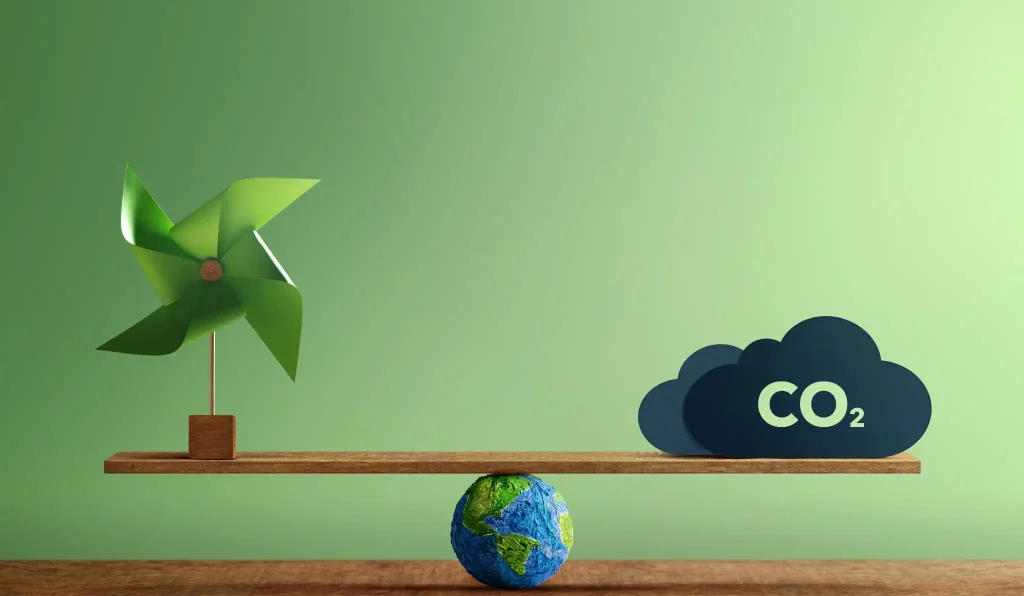
Reducing energy use benefits more than just homeowners. It also helps protect the environment by lowering greenhouse gas emissions and reducing the demand for natural resources. A home energy assessment encourages homeowners to adopt energy-saving practices that contribute to a cleaner and healthier environment.
Even small improvements can make a meaningful difference when combined with other energy-efficient habits.
Conclusion
A home energy assessment is a valuable step toward creating a more energy-efficient, comfortable, and cost-effective home. It helps identify hidden energy problems, lowers utility bills, improves indoor comfort, and increases property value. In addition, it supports environmental sustainability by reducing unnecessary energy consumption. By investing in a professional home energy assessment and following its recommendations, homeowners can enjoy long-term savings while making their homes more efficient and enjoyable places to live.